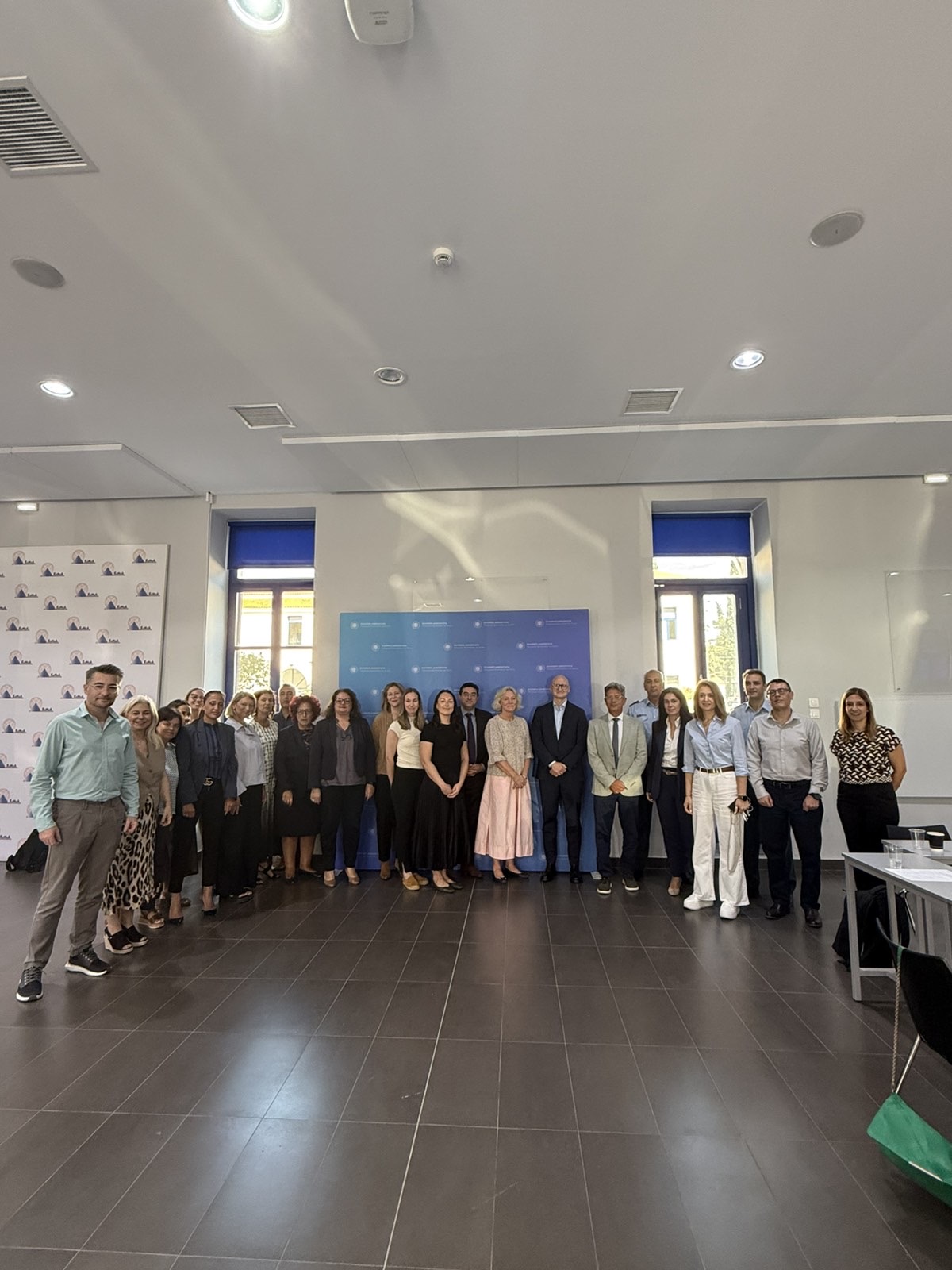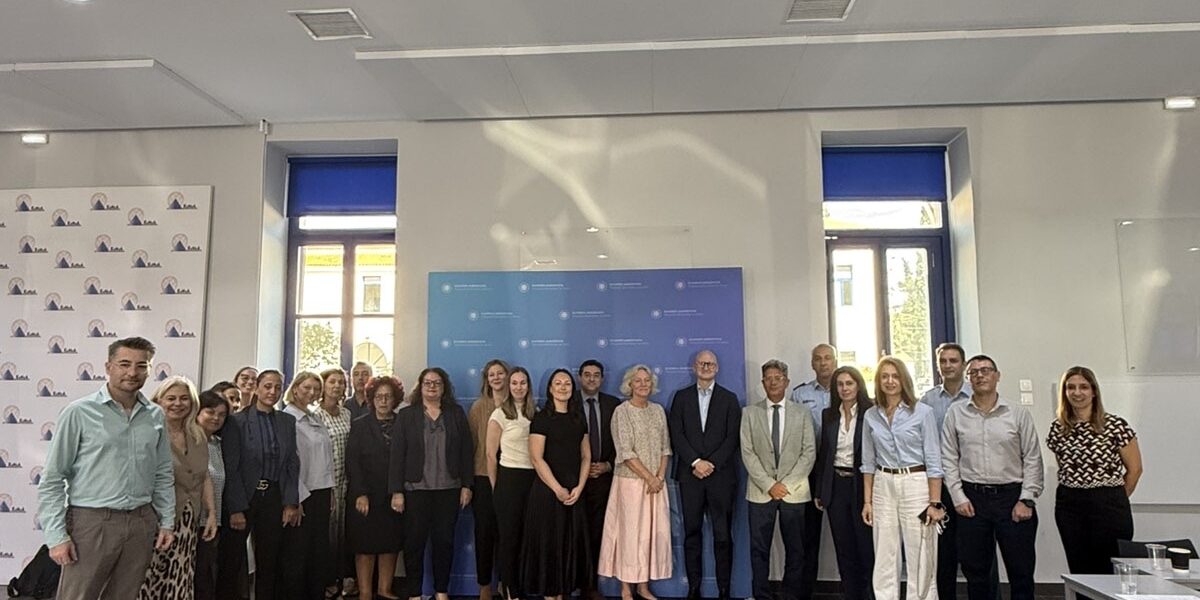
In the context of the upcoming cooperation between the Hellenic Police and the Norwegian Police, developed under the European Economic Area (EEA) Financial Mechanism 2021–2028, a meeting was held on Wednesday, September 16, 2026, in Athens, focusing on tackling gender-based and domestic violence and protecting victims.
The meeting was organized by the European and Development Programs Management Agency (EDPMA), designated as the Programme Operator under the EEA Financial Mechanism 2021–2028, specifically within the “Protection and Justice for Vulnerable Groups” Program. The Program aims, among other objectives, to strengthen cooperation, exchange expertise, and develop joint actions between Greek entities and entities from the Donor States (Norway, Iceland, and Liechtenstein).
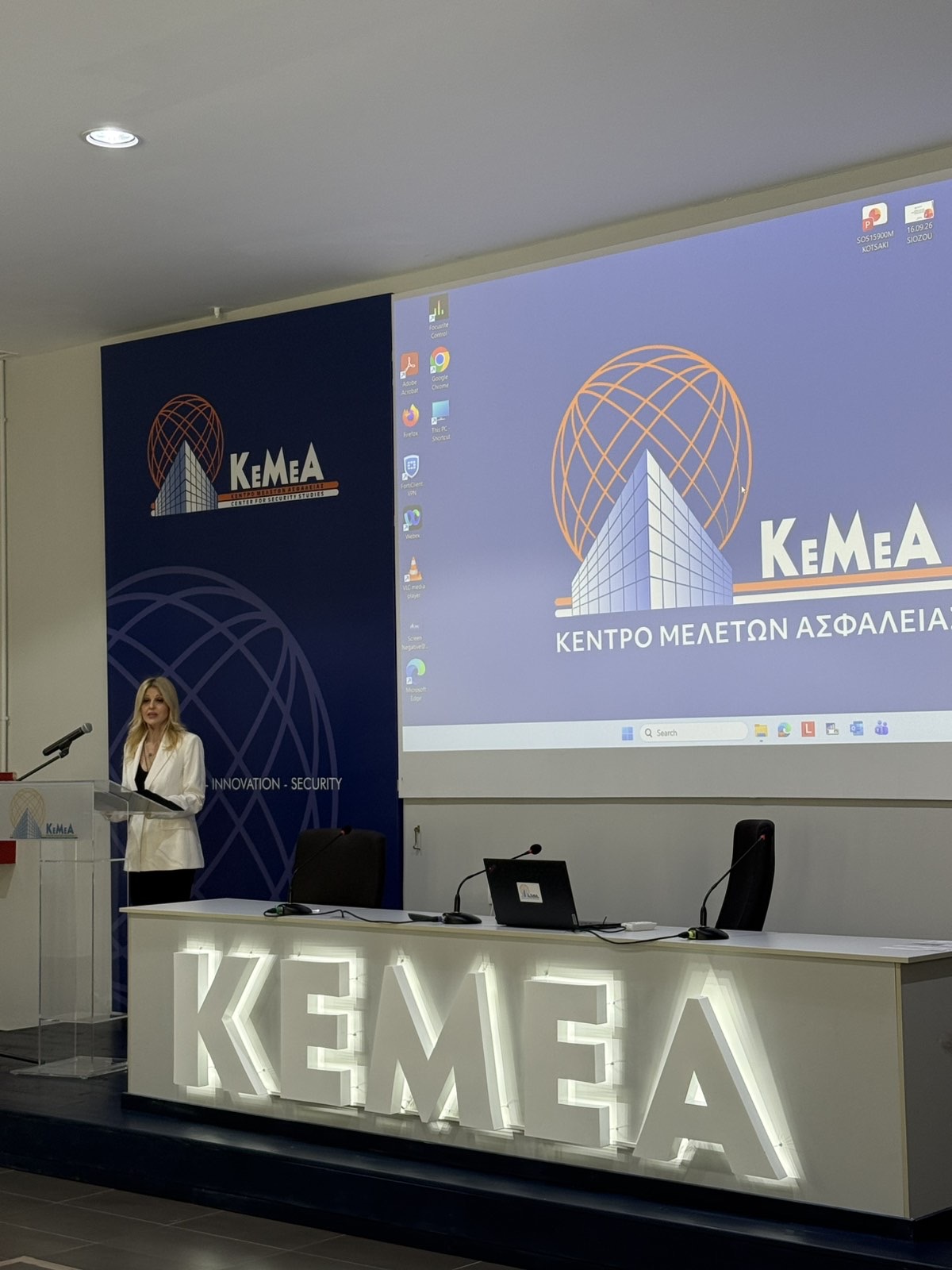
The meeting took place in the event hall of the Center for Security Studies (KEMEA), with the participation of the Deputy Minister of Social Cohesion and Family, Ms. Elena Rapti, representatives of the Ministry of Social Cohesion and Family, the Norwegian Police, and Hellenic Police officers active in the field of gender-based and domestic violence.
During the meeting, the operational framework of the Network of Support and Shelter Structures for victims of gender-based and domestic violence in Greece was presented. Specifically, the SOS 15900 Helpline, the Counseling Centers, and the Shelters were presented, as well as the role of the Research Centre for Gender Equality (KETHI) in supporting victims.
At the same time, the corresponding structures and practices applied in Norway were presented, followed by an exchange of views regarding cooperation between police authorities and victim support and shelter structures.
Particular emphasis was placed on the cooperation between the Hellenic Police and the Ministry of Social Cohesion and Family, current trends regarding gender-based and domestic violence, as well as the issue of the “dark figure” of incidents that are not reported or recorded by competent authorities. The discussion also addressed the primary challenges facing Greece and Norway in these areas.
The meeting served as an opportunity to exchange experiences, expertise, and best practices between the two countries, aiming to further strengthen cooperation among competent agencies and leverage both Norwegian and Greek expertise in preventing and addressing gender-based and domestic violence.